Wind Protocols: Navigating the Ultima Esperanza Fjords
Published November 03, 2025 • 10 Min Reading Duration
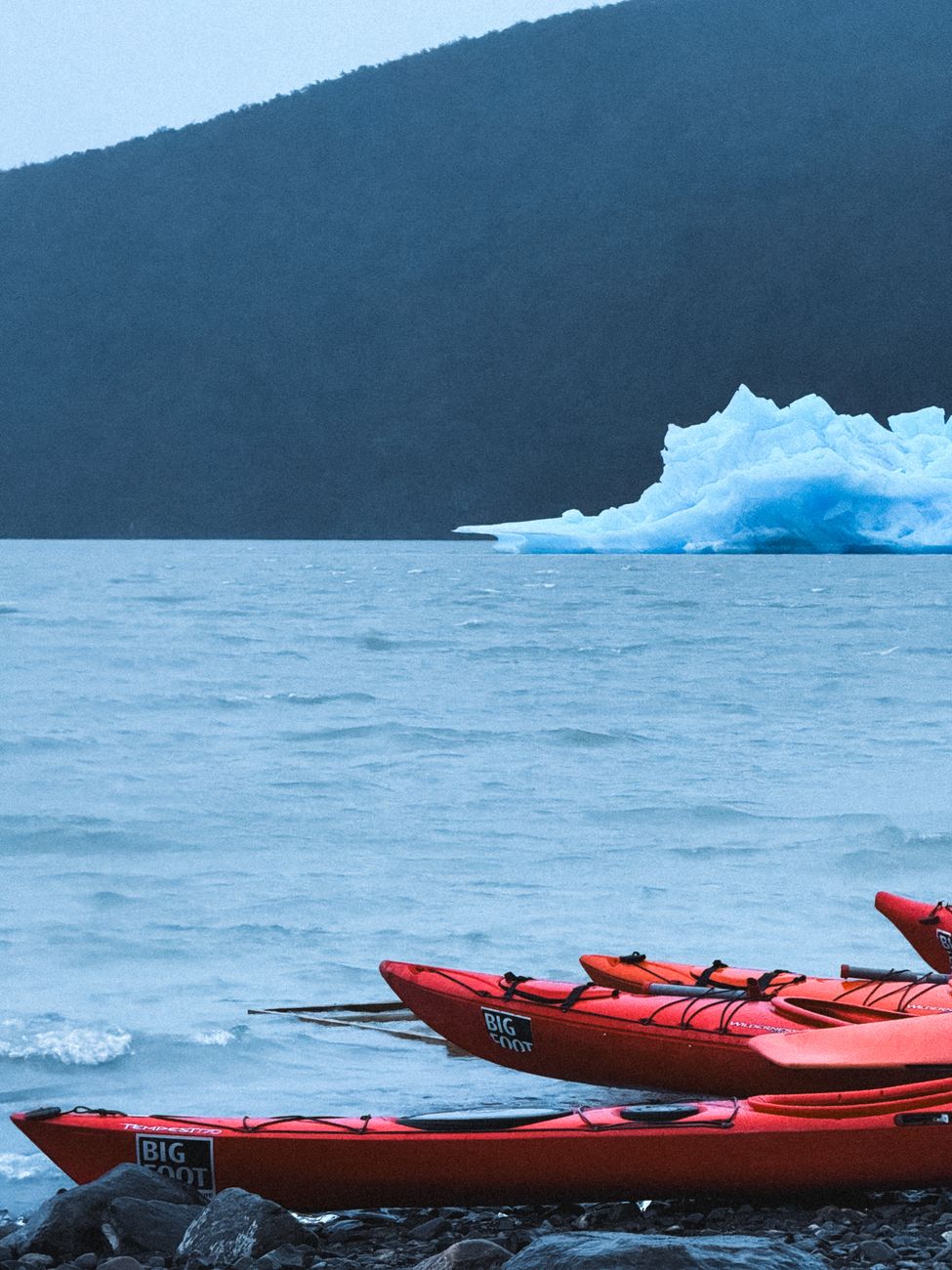
Table of Contents
In the southern reaches of Magallanes, land does not end in a clean continental shore; it fractures into thousands of labyrinthine channels, granite needles, and tide-scoured straits. The Ultima Esperanza inlet was famously named by Juan Ladrillero in 1557 as his final hope of discovering the Strait of Magellan from the Pacific.
1. The Sudden Williwaw Winds
The primary hazard here is not freezing air temperatures, but the fierce downdrafts tumbling off the Southern Patagonian Ice Field. Known locally as williwaws, these gusts strike without cloud formation, tearing water off the fjord surface into blinding horizontal spray within seconds.
"One does not challenge Patagonian weather; one waits inside shelter bays until the barometric pressure stabilizes for a three-hour window."
2. Balmaceda and Serrano Meltwater
Approaching the terminus of Glacier Serrano, the water color shifts from dark ocean navy to an opaque, chalky turquoise laden with rock flour. Floating sea ice requires constant vigilance to avoid punctured hulls, while condors circle overhead along thermal currents created by cold glacial downdrafts.
3. Sea Kayak Equipment Contingencies
Solo expeditions require dual redundant VHF communications, drysuits with reinforced latex gaskets, and freeze-dried nutrition reserves for at least five surplus days. The solitude is complete: once beyond Puerto Bories, no road connects these maritime finger-fjords to the civilian grid.