Seasonal Fermentation in the Highlands of Wakayama
Published October 11, 2025 • 9 Min Reading Duration
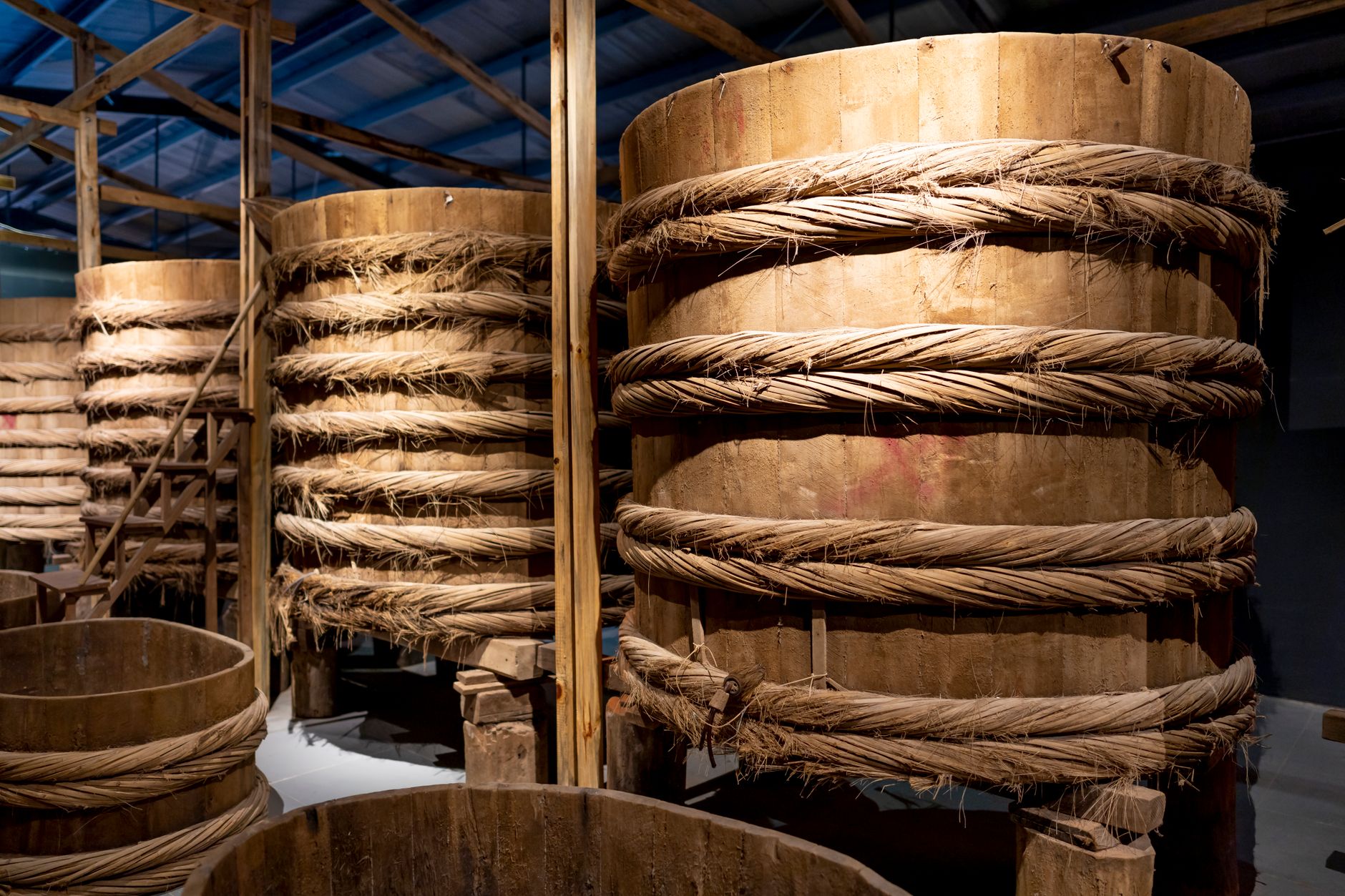
Table of Contents
Two hours south of Osaka, the mountain spine rises sharply into ancient coniferous forest. Here, in the river valleys surrounding Yuasa, the historic birthplace of Japanese shoyu, fermentation is not an industrial procedure but an annual calendar tuned to seasonal temperature fluctuations.
1. The Micro-Flora of Mount Koya
In mid-autumn, Aspergillus oryzae spores are dusted over cooked soybeans and cracked roasted wheat. Within forty-eight hours, the enzymatic breakdown produces a warming bed of white hyphae. This koji is moved into subterranean vats mixed with clear spring runoff and mineral-rich sea salt.
"You cannot speed the wooden barrel. The winter freezes the yeast; the summer expands the timber, breathing oxygen into the mash."
2. Yoshino Cedar Vessels and Ambient Moisture
The vast tubs, bound by woven bamboo cords, have absorbed generations of microbial strains. Modern stainless steel can ensure absolute sterilization, yet it discards the nuanced depth imparted by historic wood. The finished liquid possesses a viscosity and savory roundness absent in commercial reproductions.
3. Integration with Temple Shojin Ryori
When served alongside seasonal mountain burdock, lotus root, and sesame tofu in monastery dining halls, the condiment functions not as an overpowering glaze, but as an aromatic bridge highlighting the clean mineral water and crisp forest air of Wakayama.