The Lost Monasteries of the Cantabrian Ridge
Published September 24, 2025 • 8 Min Reading Duration
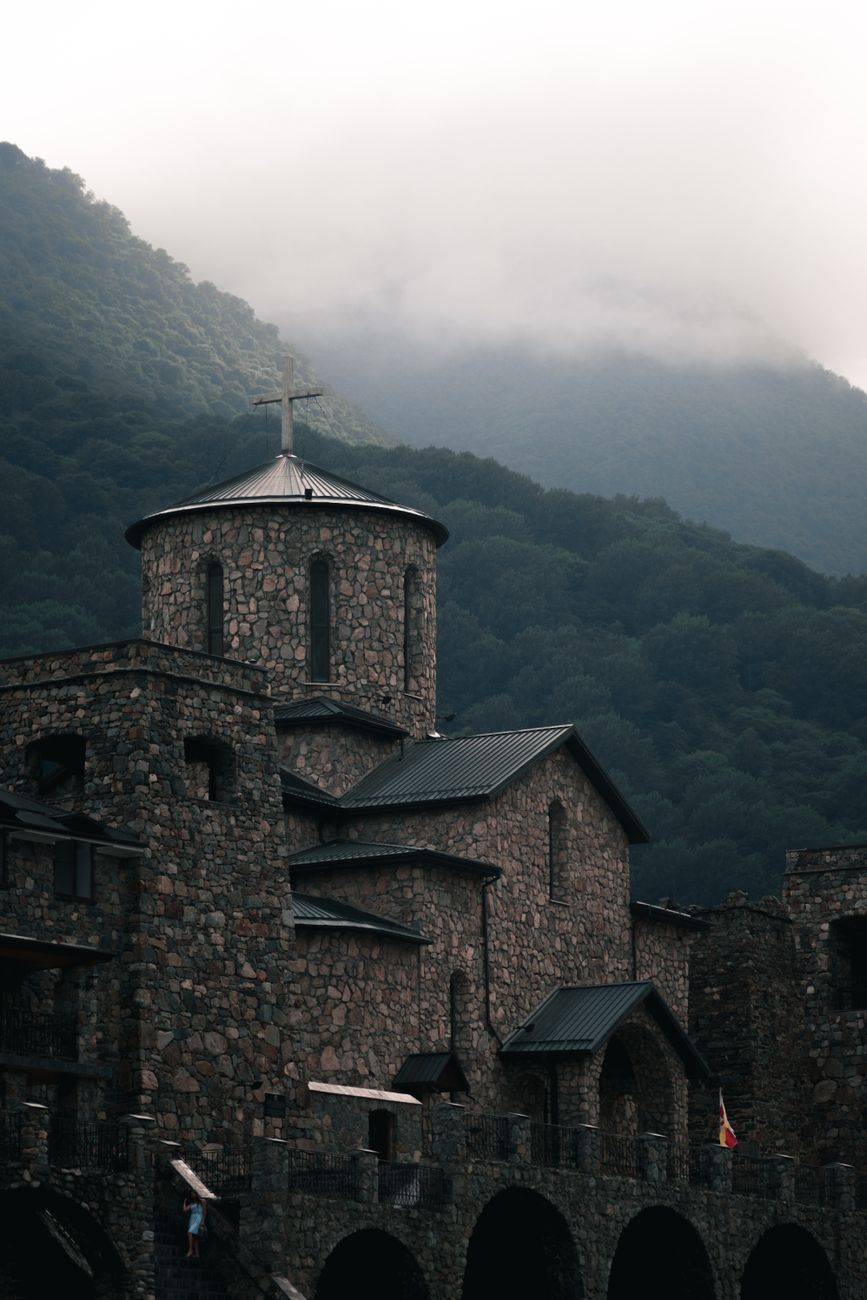
Table of Contents
When the coastal humidity of the Bay of Biscay crashes against the sheer limestone cliffs of the Picos, it births a microclimate of perpetual cloud-banks. For over seven hundred years, these valleys served not as routes of commercial transport, but as intentional cul-de-sacs chosen by cloistered hermitages.
1. The Limestone Barrier of Northern Iberia
Traveling by foot past the hamlet of Tresviso, one enters an acoustic isolation rarely preserved in Western Europe. Stone architecture here was dictated by local shale and red clay mortar. The monasteries were constructed with low arches, small apertures, and heavy oak shutters intended to retain heat against sub-zero mountain winters.
"The altitude did not distance the monks from humanity; it clarified their focus on scriptural copying without secular interference."
2. Illuminated Foliage & Monastic Solitude
Within the small library room of San Pedro de Rocas, manuscripts penned with lampblack and crushed lapis lazuli pigments still rest under archival glass. Unlike urban collections in Madrid or Oviedo, these works record regional agricultural barters: the yield of spelt wheat, goat milk yields, and the exact dates when high passes opened each spring.
3. Practical Footpath Notes for Travelers
For visitors intending to trace these valleys, spring or early autumn remains the solely advised period. Winter snowpacks render the upper stone bridges impassable without technical crampons. Lodge in small family-operated posadas that produce their own Cabrales cheese, and always arrange permission prior to entering sanctum grounds.